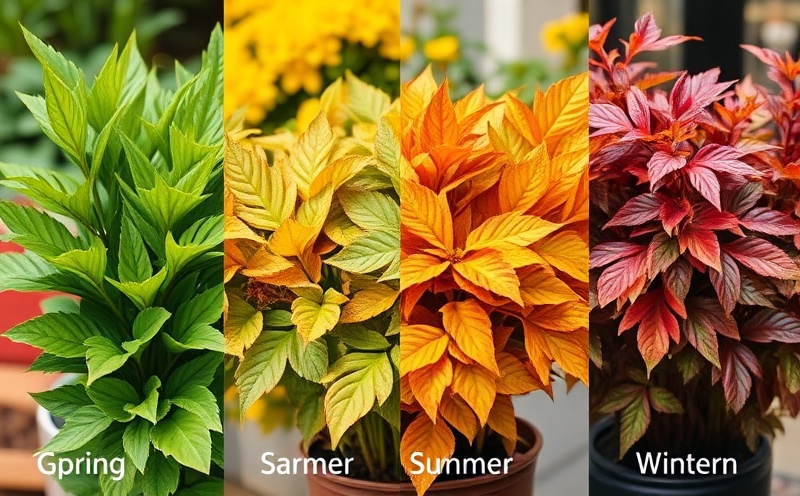
Plant care isn’t one-size-fits-all throughout the year. Plants respond dramatically to seasonal changes, and adjusting your care routine for fall and winter is crucial for healthy plants. Here’s how to adapt as the seasons shift.
Understanding Seasonal Plant Changes
In nature, plants have growth cycles tied to seasons. Spring and summer are growth seasons—plants are actively growing, blooming, and storing energy. Fall and winter are rest seasons—plants slow down, reduce growth, and enter dormancy or semi-dormancy.
Your houseplants follow these natural rhythms, even indoors. When you understand this, seasonal plant care becomes much easier.
Fall Plant Care Changes
Lighting
What changes: Days get shorter, light intensity decreases, sun angle changes.
How to adapt:
- Move plants closer to windows as available light decreases
- Clean windows and plant leaves to maximize light penetration
- Avoid moving plants away from windows unnecessarily
- North-facing windows get even less light in fall—consider supplemental light
Best plants for fall light: Low-light tolerant varieties like pothos, snake plants, and peace lilies need light adjustments less than sun-lovers.
Watering
What changes: Evaporation slows, plant water needs decrease, humidity is often lower.
How to adapt:
- Check soil moisture more carefully before watering
- Reduce watering frequency gradually as days shorten
- Continue with the “finger method” (stick in soil, water if dry)
- Don’t switch to a schedule—plants still need water, just less frequently
General rule: Most plants need water every 7-14 days in fall, compared to 3-7 days in summer.
Humidity
What changes: Indoor heating dries out air significantly starting in fall.
How to adapt:
- Group plants together to create humidity
- Mist plants more frequently (2-3 times per week)
- Use pebble trays under pots (water in tray, not touching pot)
- Increase room humidity with a humidifier if possible
- Avoid placing plants near heating vents
Plants that need extra attention: Tropical plants like calatheas, ferns, and orchids struggle with dry air.
Fertilizing
What changes: Plant growth slows, nutrient needs decrease.
How to adapt:
- Reduce fertilizing to every 4-6 weeks (from every 2-3 weeks)
- Use diluted fertilizer (half strength)
- Avoid fertilizing dormant or slow-growing plants entirely
- Resume normal fertilizing in spring
Winter Plant Care Changes
Lighting
What changes: Shortest days of the year, lowest light levels, weak sunlight.
How to adapt:
- Move plants even closer to light sources
- Consider grow lights for plants that need bright light
- Clean leaves frequently to maximize light absorption
- Prune off dead growth that blocks light for living leaves
When to use grow lights:
- Plants becoming leggy
- Not growing
- Existing light doesn’t reach below upper leaves
- No window light available
Watering
What changes: Plants use much less water, evaporation is minimal, soil stays moist longer.
How to adapt:
- Water even less frequently than in fall (every 10-21 days for most plants)
- Let soil dry more between waterings
- Some plants enter semi-dormancy and barely need water
- Still check soil moisture—some plants need consistent moisture year-round
Critical: Overwatering is the #1 winter plant killer. Resist the urge to water on a schedule.
Temperature
What changes: Indoor heating creates temperature extremes, cold windows, warm rooms create stress.
How to adapt:
- Keep plants away from cold windows and exterior doors
- Avoid placing plants in front of heating vents (too hot and dry)
- Maintain temperatures between 65-75°F for most plants
- Provide cool resting period for plants like poinsettias and camellias (60-65°F encourages blooming)
Temperature-sensitive plants: Tropical plants struggle below 55°F. Keep them far from cold windows.
Humidity (Critical in Winter)
What changes: Heating systems significantly reduce indoor humidity, often to 20-30% (compared to ideal 40-60%).
How to adapt:
- Use a humidifier in rooms with multiple plants
- Mist plants daily if possible (especially in dry climates)
- Cluster plants together to create a humid microclimate
- Use pebble trays under every plant
- Avoid heating vents completely
Emergency humidity boost: Place plants in bathrooms during showers for a humidity boost a few times weekly.
Fertilizing
What changes: Plants in dormancy need almost no nutrients.
How to adapt:
- Stop fertilizing almost entirely in winter
- Feed sparingly in early winter (once monthly, diluted)
- Don’t fertilize at all in deep winter
- Resume normal feeding in spring
Exception: Plants with continuous light grow year-round. If using grow lights, they may need minimal winter feeding.
Month-by-Month Quick Guide
September (Early Fall)
- Reduce watering slightly
- Continue regular fertilizing
- Start misting more frequently
- Move plants closer to light sources
October (Mid Fall)
- Reduce watering significantly
- Taper fertilizing (every 4 weeks)
- Increase misting
- Clean windows for maximum light
November (Late Fall)
- Water much less
- Switch to diluted fertilizer
- Increase humidity efforts
- Prune if needed before dormancy
December (Early Winter)
- Minimal watering
- Stop fertilizing (except exceptions)
- Maximize light
- Keep away from heating vents
- Boost humidity significantly
January (Mid Winter)
- Water only when soil is dry
- No fertilizing
- Use grow lights if needed
- Monitor for pests (less air circulation increases risk)
February (Late Winter)
- Maintain minimal watering
- Prepare for spring (light increases slightly)
- Begin light fertilizing if plants show new growth
- Still prioritize humidity
Special Winter Considerations
Moving Plants
Don’t do it unless absolutely necessary. Moving in winter disrupts plants significantly. If you must move:
- Move plants at least 2 weeks before cold weather
- Allow them to acclimate to new light/conditions
- Increase humidity in new locations
Blooming Plants
Some plants bloom in winter (poinsettias, Christmas cactus, amaryllis):
- Provide cool temperatures (60-65°F) to extend blooms
- Reduce watering slightly
- Provide bright light
- After blooming, reduce water and light to promote dormancy
Pest Pressure
Winter indoor heating reduces humidity, creating ideal conditions for pests:
- Monitor plants weekly for pest signs
- Isolate infested plants immediately
- Treat with neem oil or insecticidal soap
- Increase humidity to prevent severe infestations
Common Winter Plant Problems
Leaf drop: Usually caused by temperature stress or overwatering. Check conditions and adjust.
Yellow leaves: Often overwatering or lack of light. Let soil dry, move closer to light.
Slow/no growth: Normal in winter. Resume regular care in spring. No need to fertilize.
Wilting despite wet soil: Cold damage or root rot from overwatering. Let soil dry, increase temperature, consider repotting.
Plants That Love Winter Rest
These plants actually need a cool winter period to thrive:
- Christmas cactus (needs cold for blooming)
- Amaryllis (requires dormancy)
- Orchids (many need cool temperatures)
- Poinsettias (require dormancy)
- Camellias (need cool period)
The Golden Winter Rule
When in doubt, water less. Winter overwatering is the biggest winter mistake. Err on the side of underwatering—plants recover from dry soil faster than from root rot.
Transitioning to Spring
Watch for early spring signs (usually late February or early March in most climates):
- Longer days start increasing available light
- Temperature starts warming gradually
- Plants may show new growth
- This signals time to resume normal care
Don’t rush spring care: Even if it’s still cold, as soon as you see new growth, gradually increase watering and fertilizing.
Final Thoughts
Seasonal plant care isn’t complicated—it’s just a matter of paying attention to what your plant is telling you. In fall and winter, most plants are saying “slow down, I’m resting.” Honor that rhythm, adjust your care accordingly, and your plants will emerge from winter healthy and ready to flourish in spring.
Your plants will reward your seasonal adaptation with year-round beauty!